

Blog
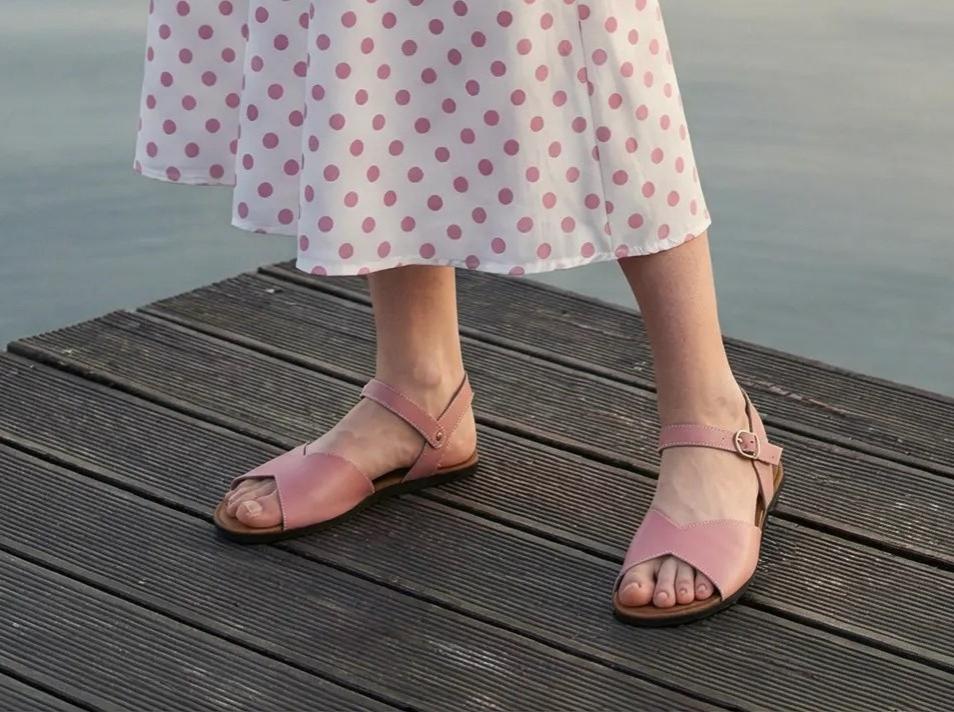
Minimalist shoes vs barefoot shoes: what’s the real difference?
Many people think minimalist shoes and barefoot shoes are the same thing.
They are not.
And understanding the difference can completely change how your body moves.
Why people confuse them
Both look simpler than traditional shoes.
Less cushioning.
Less structure.
More flexibility.
So people assume:
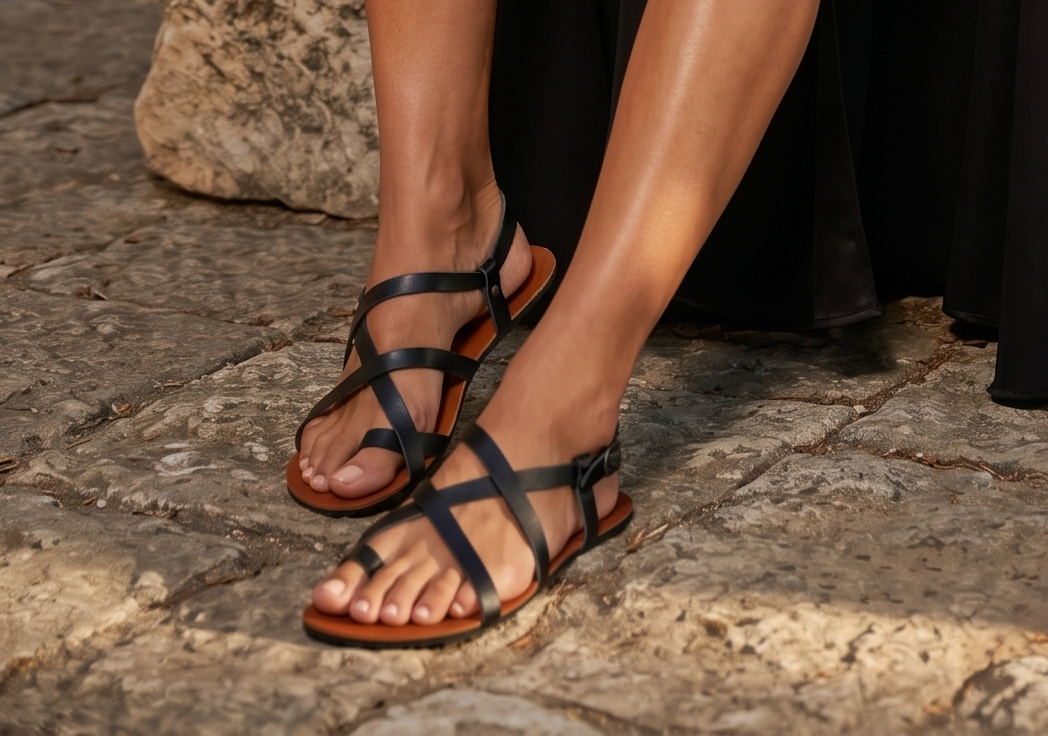
Wide toe box: why your toes need space
Most people never think about their toes…
Until they start to hurt.
Tight shoes.
Compressed toes.
Bunions.
Pain when walking.
And then the question appears:
Why is this happening?
The problem starts in the toe box
Many modern shoes have a strange design:
They are narrower at the front…
than your actual foot.
Think about that.
Your foot has a natural shape.
Your shoe is trying to change it.
Your toes were not designed to be squeezed together
They are designed to:
- spread
- stabilize
- balance
- push you forward when walking
When you compress them…
everything changes.
What a narrow toe box causes
It’s not just discomfort.
It can lead to:
- bunions
- hammer toes
- loss of balance
- less strength
- poor walking mechanics
- constant pain
And the worst part:
many people think it’s normal.
What does wide toe box mean?
Literally:
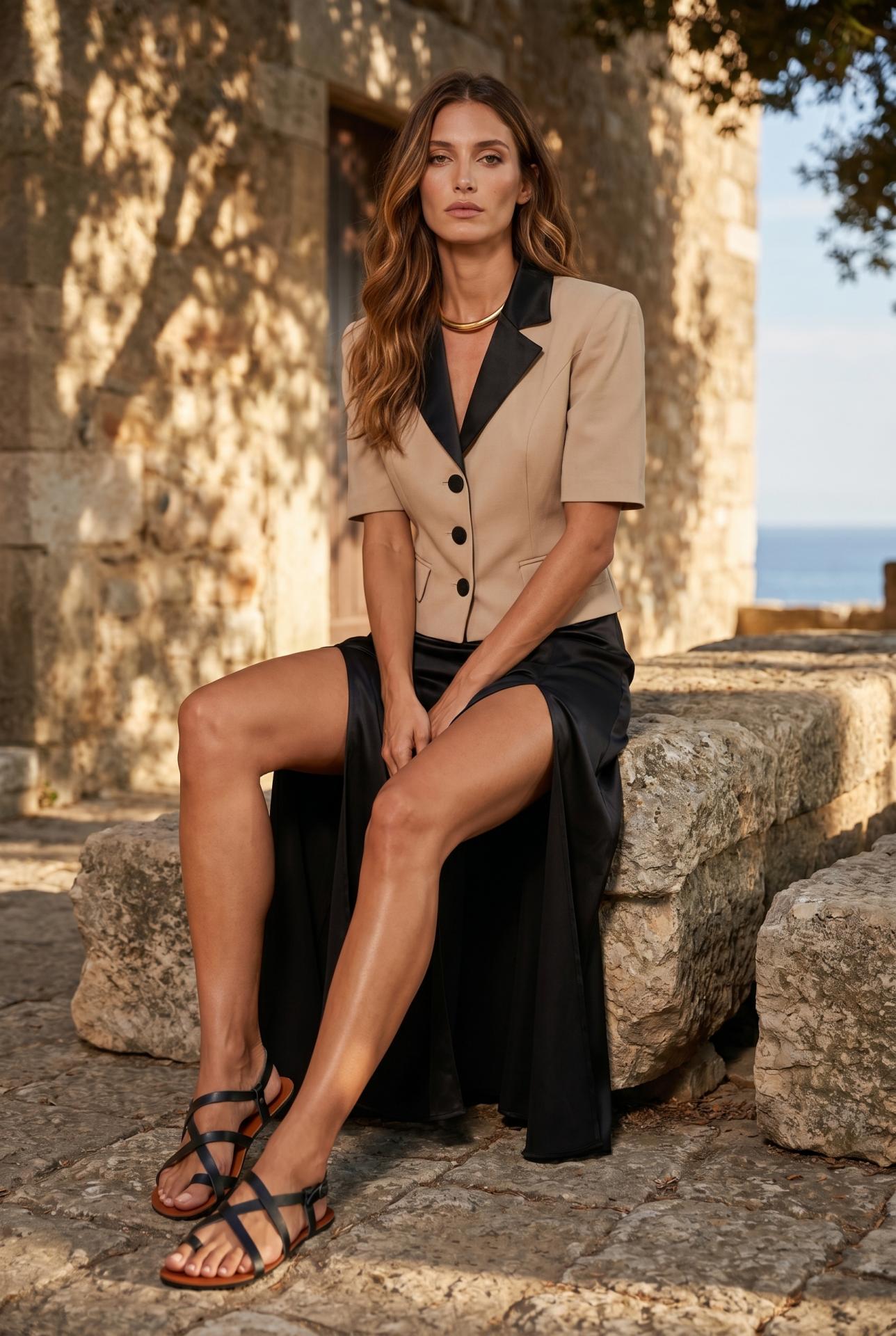
Puntera ancha: por qué tus dedos necesitan espacio
La mayoría de la gente nunca piensa en sus dedos…
Hasta que empiezan a doler.
Zapatos apretados.
Dedos comprimidos.
Juanetes.
Molestias al caminar.
Y entonces aparece la pregunta:
¿Por qué pasa esto?
El problema empieza en la puntera
Muchos zapatos modernos tienen un diseño extraño:
Son más estrechos delante…
que tu propio pie.
Piénsalo.
Tu pie tiene una forma natural.
Tu zapato intenta cambiarla.
Tus dedos no están diseñados para estar juntos
Están diseñados para:
- expandirse
- estabilizar
- equilibrar
- impulsarte al caminar
Cuando los comprimes…
todo cambia.
Lo que provoca una puntera estrecha
No es solo incomodidad.
Puede generar:
- juanetes
- dedos en garra
- pérdida de equilibrio
- menos fuerza
- mala pisada
- dolor constante
Y lo peor:
mucha gente cree que es normal.
¿Qué significa puntera ancha?
Literalmente:
Barefoot para mujer: qué debes mirar antes de comprar
Muchas mujeres descubren el barefoot por una razón muy simple:
Algo ya no se siente bien.
Zapatos apretados.
Dolor de pies.
Piernas cansadas.
Dedos sin espacio para moverse.
Y de repente…
la comodidad ya no es suficiente.
El problema del calzado femenino tradicional
Durante años, el calzado de mujer se ha diseñado pensando primero en la apariencia.
Punteras estrechas.
Tacones elevados.
Suelas rígidas.
¿Bonitos?
Quizá.
¿Naturales?
En absoluto.
Tus pies nunca fueron diseñados para eso
Tus pies necesitan:
- espacio
- equilibrio
- movimiento
No compresión.
No soporte constante.
No dolor disfrazado de estilo.
Qué hace bueno a un barefoot para mujer
No todos los barefoot son iguales.
Esto es lo que realmente importa:
1. Puntera ancha
Tus dedos deben poder expandirse de forma natural.
Si la parte delantera los aprieta…
No es barefoot.
2. Drop cero
Sin elevación del talón.
Esto mejora la postura y la alineación natural....
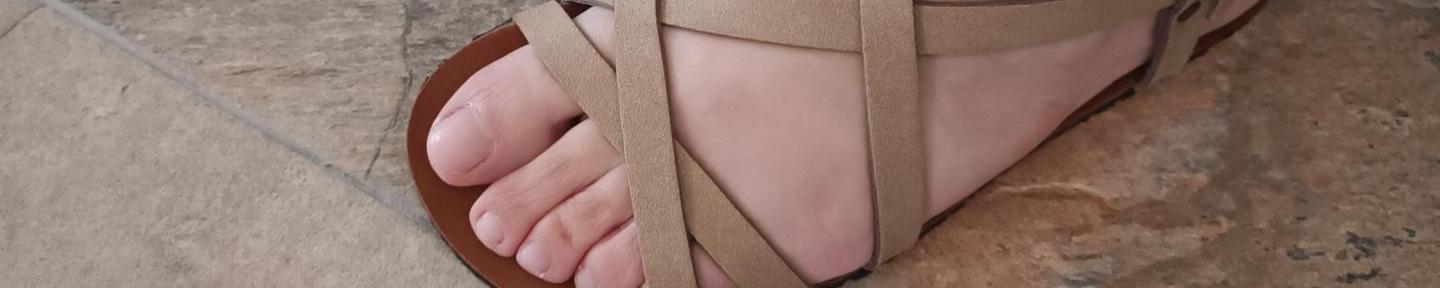
Barefoot shoes for women: what to look for before buying
Many women discover barefoot shoes for one simple reason:
Something doesn’t feel right anymore.
Tight shoes.
Foot pain.
Tired legs.
Toes with no space to move.
And suddenly…
comfort is no longer enough.
The problem with most women’s shoes
For years, women’s footwear has been designed for appearance first.
Narrow toe boxes.
Raised heels.
Rigid soles.
Beautiful?
Maybe.
Natural?
Not even close.
Your feet were never designed for that
Your feet need:
- space
- balance
- movement
Not compression.
Not constant support.
Not pain disguised as style.
What makes a good barefoot shoe for women?
Not all barefoot shoes are the same.
Here’s what really matters:
1. Wide toe box
Your toes should spread naturally.
If the front of the shoe squeezes them…
it’s not barefoot.
2. Zero drop
No raised heel.
This improves posture and natural alignment.
3. Flexible sole
Your foot should move.
Not be trapped inside the shoe....
Best barefoot shoes (2026): what to look for before you buy
If you’re searching for the best barefoot shoes…
You’re very close to making a decision.
But here’s the problem:
Most people don’t know what actually makes a barefoot shoe good.
Not all barefoot shoes are the same
Some look minimal…
But still restrict your foot.
Others claim to be natural…
But interfere more than they should.
What really matters
Before you choose, focus on this:
1. Toe box (this is key)
Your toes must have space.
If they’re compressed…
It’s not barefoot.
2. Zero drop
No difference between heel and toe.
This allows natural posture.
3. Flexibility
If the shoe doesn’t bend easily…
Your foot can’t move freely.
4. Sole thickness
Thin enough to feel the ground.
Protective enough for daily use.
Balance is key.
What most brands get wrong
They focus on comfort.
They add cushioning.
They add structure.
And slowly…
they move away from natural movement.
What you should be looking for
Not more technology.
Less interference.
The real decision
You’re not choosing a shoe.
You’re choosing how your body moves.
So… which ones are the best?
The best barefoot shoes are the ones that:...

Mejores barefoot (2026): qué debes mirar antes de comprar
Si estás buscando los mejores barefoot…
Estás muy cerca de tomar una decisión.
Pero aquí está el problema:
La mayoría de la gente no sabe qué hace que un barefoot sea realmente bueno.
No todos los barefoot son iguales
Algunos parecen minimalistas…
Pero siguen limitando tu pie.
Otros dicen ser naturales…
Pero interfieren más de lo que deberían.
Lo que realmente importa
Antes de elegir, fíjate en esto:
1. Espacio para los dedos (clave)
Tus dedos deben poder expandirse.
Si están comprimidos…
No es barefoot.
2. Drop cero
Sin diferencia entre talón y puntera.
Esto permite una postura natural.
3. Flexibilidad
Si el zapato no se dobla con facilidad…
Tu pie no se mueve libremente.
4. Grosor de la suela
Lo suficientemente fina para sentir el suelo.
Lo suficientemente protectora para el día a día.
El equilibrio es clave.
Lo que la mayoría de marcas hace mal
Se centran en la comodidad.
Añaden amortiguación.
Añaden estructura.
Y poco a poco…
se alejan del movimiento natural.
Lo que deberías buscar
No más tecnología.
Menos interferencia....
What are transition barefoot shoes (and why they matter)?
Most people don’t fail with barefoot shoes.
They fail in how they start.
The problem is not barefoot
It’s going from this:
Shoes with support
Cushioning
Rigid structure
To this:
No support
No cushioning
Free movement
Overnight.
That’s not a transition
That’s a shock.
And your body feels it.
So… what are transition shoes?
They are the middle ground.
A type of footwear designed to:
¿Qué es el calzado de transición al barefoot (y por qué es clave)?
¿Qué es el calzado de transición al barefoot (y por qué es clave)?
La mayoría de la gente no falla con el barefoot.
Falla en cómo empieza.
El problema no es el barefoot
Es pasar de esto:
Zapatos con soporte
Amortiguación
Estructura rígida
a esto:
Cero soporte
Cero amortiguación
Movimiento libre
De un día para otro.
Eso no es una transición
Es un shock.
Y tu cuerpo lo nota.
Entonces… ¿qué es el calzado de transición?
Es el punto intermedio.
Un tipo de calzado diseñado para:
Why your feet are getting weaker (and you don’t even notice)
Why your feet are getting weaker (and you don’t even notice)
It didn’t happen overnight.
You didn’t notice it.
But it’s happening.
Your feet are getting weaker
And it’s not because of age.
Or genetics.
It’s because of what you wear on your feet every day.
The problem is not your body
It’s the environment you’ve created for it.
Think about this:
Every time you wear shoes with:
- Cushioning
- Support
- Rigid structure
You’re telling your body:
Por qué tus pies se están debilitando (y no te estás dando cuenta)
Por qué tus pies se están debilitando (y no te estás dando cuenta)
No pasó de un día para otro.
No te diste cuenta.
Pero está ocurriendo.
Tus pies se están volviendo más débiles
Y no es por la edad.
Ni por genética.
Es por lo que llevas en los pies cada día.
El problema no es tu cuerpo
Es el entorno que has creado para él.
Piensa en esto:
Cada vez que usas zapatos con:
- Amortiguación
- Soporte
- Estructura rígida
Le estás diciendo a tu cuerpo:

How to start using barefoot shoes (without pain or injuries)
How to start using barefoot shoes (without pain or injuries)
Most people don’t fail with barefoot shoes…
They just start the wrong way.
The biggest mistake: doing too much, too soon
You get your first pair.
They feel different.
You’re excited.
So you wear them all day.
Big mistake.
Your feet are not used to this
After years of support and cushioning…
Your feet are weaker than they should be.
Not broken.
Just untrained.
Step 1: start slow
This is not optional.
Start with:
- 30–60 minutes a day
- Walking, not running
- Flat, easy surfaces
Your goal is not performance.
It’s adaptation.
Step 2: listen to your body
Some discomfort is normal.
Pain is not.
Pay attention to:
- Tight calves
- Foot fatigue
- Sensitivity
These are signals.
Not problems.
Step 3: increase gradually
Once your body adapts…
You can do more.
Add time.
Add intensity.
But always progressively.
Step 4: focus on how you move
Barefoot is not just about shoes.
It’s about movement.
Walk softer.
Shorter steps.
More control....
Are Barefoot Shoes Good for Plantar Fasciitis?
Are Barefoot Shoes Good for Plantar Fasciitis?
Plantar fasciitis is one of the most common causes of heel pain, especially if you spend long hours standing or walking. If you’ve been researching solutions, you’ve probably come across barefoot shoes—and maybe you’re wondering: are they helpful or could they make things worse?
The answer is not as simple as yes or no.
What is plantar fasciitis?
Plantar fasciitis is an inflammation of the plantar fascia, a thick band of tissue that runs along the bottom of your foot. It typically causes sharp pain in the heel, especially in the morning or after long periods of rest.
Many traditional shoes try to solve this problem with cushioning and arch support—but that’s not the only approach.
How barefoot shoes affect your feet
Barefoot shoes are designed to mimic natural walking. They usually have:
- Thin, flexible soles
- No heel elevation (zero drop)
- Wide toe boxes
This allows your feet to move and function more naturally, strengthening muscles that are often weakened by conventional footwear.
Can barefoot shoes help plantar fasciitis?
In some cases, yes—but only if used correctly.
Potential benefits:...
¿El barefoot es bueno o malo? La verdad que nadie te cuenta
¿El barefoot es bueno o malo? La verdad que nadie te cuenta
Si has llegado hasta aquí, es porque tienes dudas.
Y es normal.
Porque cuando algo rompe con lo que llevas toda la vida haciendo…
la primera pregunta es:
¿Esto es realmente bueno para mí?
La respuesta corta: depende
El barefoot no es bueno ni malo.
Depende de cómo lo uses.
Y, sobre todo…
depende del estado en el que están tus pies ahora mismo.
El verdadero problema no es el barefoot
Es lo que llevas años haciendo antes.
Piénsalo:
Has pasado años usando zapatos con:
- Amortiguación
- Soporte
- Estructura rígida
Tus pies se han adaptado a eso.
Se han vuelto más débiles.
Más dependientes.
Entonces… ¿qué pasa cuando cambias?
Cuando pasas al barefoot, eliminas esa “ayuda”.
Y tu cuerpo tiene que volver a trabajar.
Eso puede provocar:
- Molestias al principio
- Carga en gemelos
- Sensación extraña al caminar
Aquí es donde la mayoría se equivoca
Prueban barefoot…
les resulta incómodo…
y concluyen:
Are barefoot shoes good or bad? The truth no one tells you
Are barefoot shoes good or bad? The truth no one tells you
If you’re here, it’s because you have doubts.
And that’s normal.
Because when something challenges what you’ve been doing your whole life…
the first question is:
Is this actually good for me?
The short answer: it depends
Barefoot shoes are not good or bad.
It depends on how you use them.
And more importantly…
it depends on the condition of your feet right now.
The real problem isn’t barefoot
It’s what you’ve been doing for years before.
Think about it:
You’ve spent years wearing shoes with:
- Cushioning
- Arch support
- Rigid structure
Your feet adapted to that.
They became weaker.
More dependent.
So… what happens when you switch?
When you move to barefoot shoes, you remove that “help”.
And your body has to start working again.
That can lead to:
- Initial discomfort
- Calf tightness
- A strange walking sensation
If you’re here, it’s because you have doubts.
And that’s normal....
Barefoot vs traditional shoes: the real difference
Barefoot vs traditional shoes: the real difference
Most people think all shoes are the same.
They’re not.
In fact…
they do completely opposite things to your body.
Traditional shoes: comfort that weakens you
Modern shoes are designed for one thing:
Immediate comfort.
Soft cushioning.
Arch support.
Rigid structure.
Feels good.
But here’s the problem:
The more your shoes do…
the less your feet have to.
https://www.bioveganos.com/p10961533-barefoot-chad...
And over time?
They stop working.
Barefoot shoes: less support, more function
Barefoot shoes flip the equation.
They don’t support your foot.
They free it.
No cushioning to rely on.
No structure to hide behind.
Just movement.
And that changes everything.
The key differences
1. Toe position
Traditional shoes:
Barefoot shoes benefits: what really happens to your feet
Barefoot shoes benefits: what really happens to your feet
Most people think barefoot shoes are just a trend.
They’re not.
They’re a reset.
Because what happens to your feet when you switch…
changes everything.
<hr>
Your feet start working again
Modern shoes do too much.
They support.
They cushion.
They control.
And because of that…
Your feet stop working.
When you switch to barefoot shoes, that changes.
Your muscles activate again.
Your foot starts moving naturally.
Your body reconnects with the ground.
It’s not always comfortable at first.
But it’s real.
<hr>
You build real strength
This is the benefit nobody talks about enough.
Barefoot shoes don’t “protect” your feet.
They train them.
Every step becomes a stimulus.
Every movement makes you stronger.
Not artificially.
Naturally.
<hr>
Your posture improves without thinking
Most posture problems don’t start in your back.
They start in your feet.
When your base is unstable or restricted,
your whole body compensates.
Barefoot shoes remove that interference.
They let your body align itself the way it’s supposed to.
<hr>...
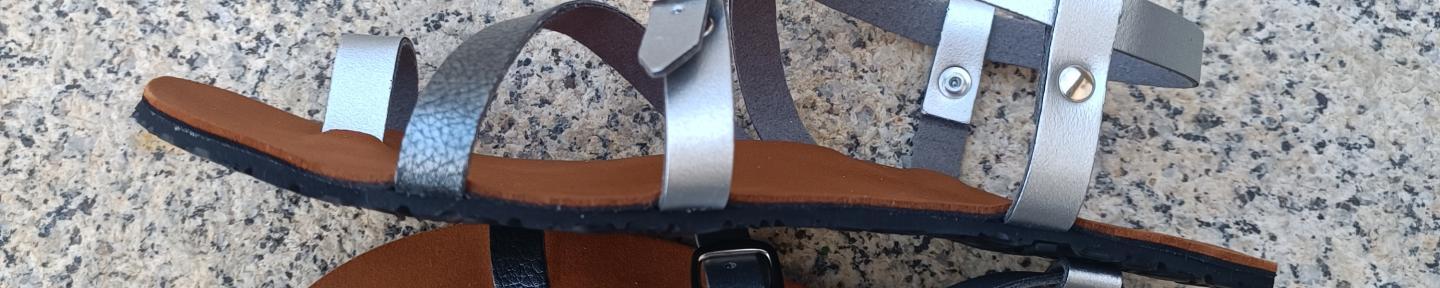
What are barefoot shoes? (And why everyone is talking about them)
https://www.bioveganos.com/c547688-sandalias-baref...
What are barefoot shoes?
(And why everyone is talking about them)
Not long ago, nobody was searching for barefoot shoes.
Now… they’re everywhere.
So what changed?