

BLOG HERE
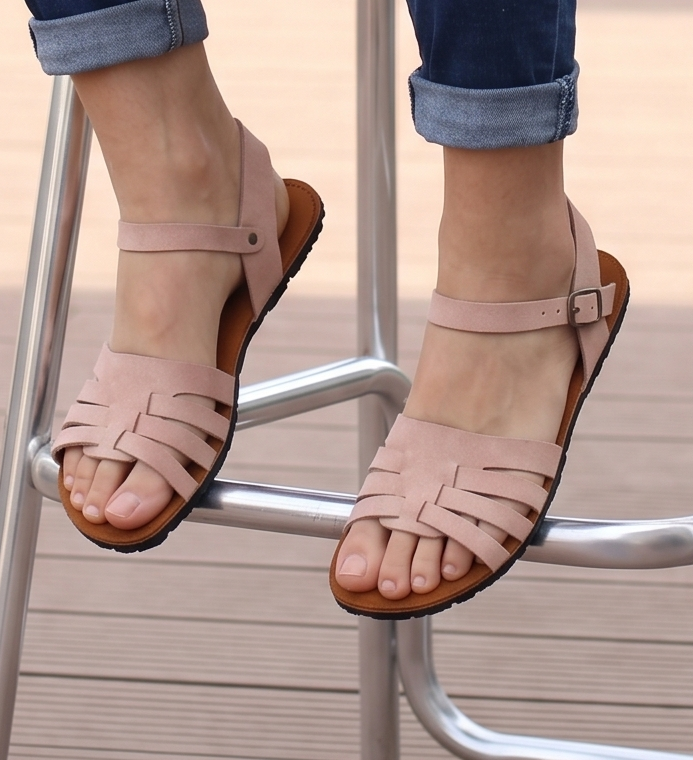
What is barefoot footwear, really?
In recent years, more and more people have become interested in barefoot footwear. But many still associate it simply with “walking barefoot,” when in reality it’s much more than that.
The barefoot concept is about allowing the foot to move in a more natural way, with greater freedom, flexibility, and space.
Most modern shoes change the way the foot naturally works:
- they compress the toes,
- restrict movement,
- stiffen the foot,
- and reduce the natural sensory connection with the ground.
Barefoot footwear aims to do the opposite.
Its main characteristics usually include:
- a wide toe box that gives the toes room to spread naturally,
- flexible soles,
- greater freedom of movement,
- and a more natural walking experience.
It’s not about walking barefoot everywhere.
It’s about allowing the foot to do more of what it was naturally designed to do.
Many people discover barefoot footwear while searching for:
- greater comfort,
- more freedom,
- a more natural gait,
- or simply relief from the feeling of tired, compressed feet. www.bioveganos.com
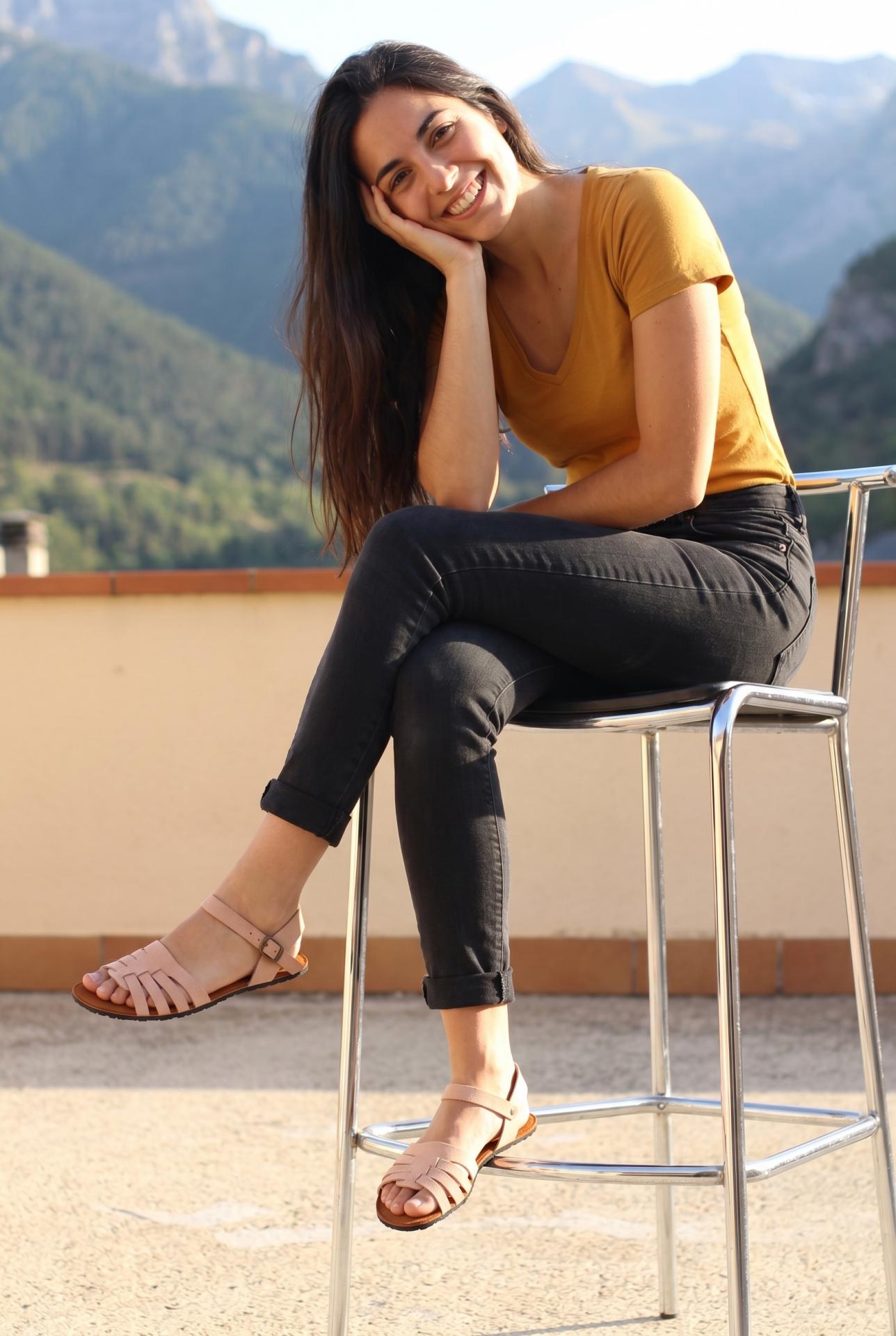
¿Qué es realmente el calzado barefoot?
¿Qué es realmente el calzado barefoot?
En los últimos años, cada vez más personas han empezado a interesarse por el calzado barefoot. Pero muchas veces se asocia únicamente con “ir descalzo”, y en realidad va mucho más allá.
El concepto barefoot busca que el pie pueda moverse de una forma más natural, con mayor libertad, flexibilidad y espacio.
La mayoría del calzado moderno modifica la forma natural de caminar:
- comprime los dedos,
- limita el movimiento,
- rigidiza el pie,
- y reduce la sensibilidad al suelo.
El calzado barefoot intenta justo lo contrario.
Sus características principales suelen ser:
- puntera amplia para que los dedos tengan espacio,
- suela flexible,
- gran libertad de movimiento,
- y una sensación más natural al caminar.
No se trata de caminar descalzo por todas partes.
Se trata de permitir que el pie vuelva a hacer parte de lo que fue diseñado para hacer.
Muchas personas descubren el barefoot buscando:
- más comodidad,
- más libertad,
- una pisada más natural,
- o simplemente dejar atrás la sensación de pies cansados y comprimidos.
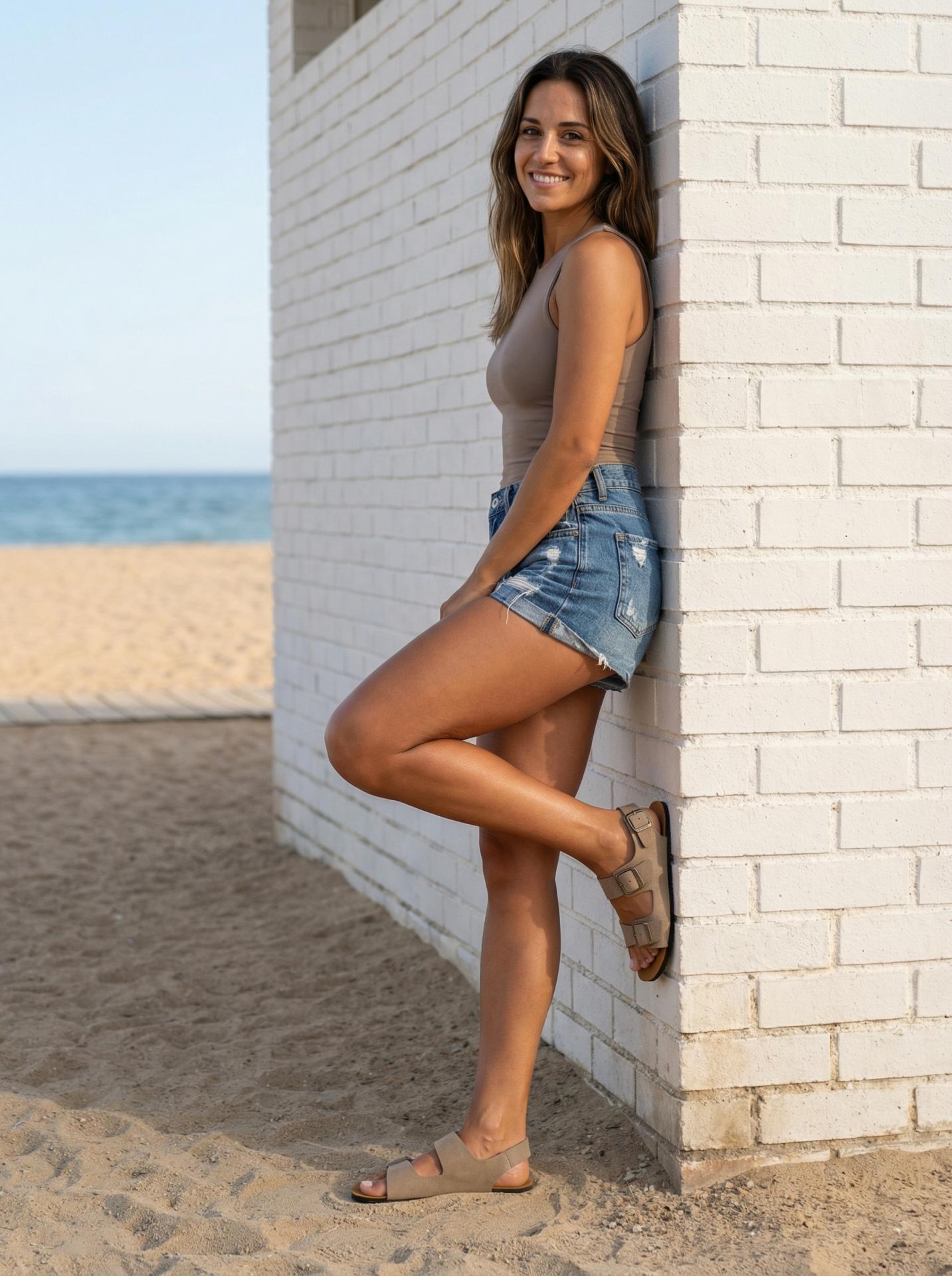
What if the problem isn’t your feet… but your shoes?
What if the problem isn’t your feet… but your shoes?
Most of us have spent years wearing shoes that compress, restrict, and limit the natural movement of the foot… without even realizing it.
Narrow toe boxes.
Rigid soles.
Too much cushioning.
Very little freedom of movement.
Over time, the foot gradually stops doing many of the things it was naturally designed to do.
And we often normalize things like:
- tired feet,
- stiffness while walking,
- poor balance,
- or the immediate relief of taking our shoes off at the end of the day.
But maybe that isn’t so “normal” after all.
The foot needs space, flexibility, and movement to function properly.
That’s why more and more people are discovering barefoot footwear: a more natural and freeing way to walk, allowing the foot to move the way it was meant to.
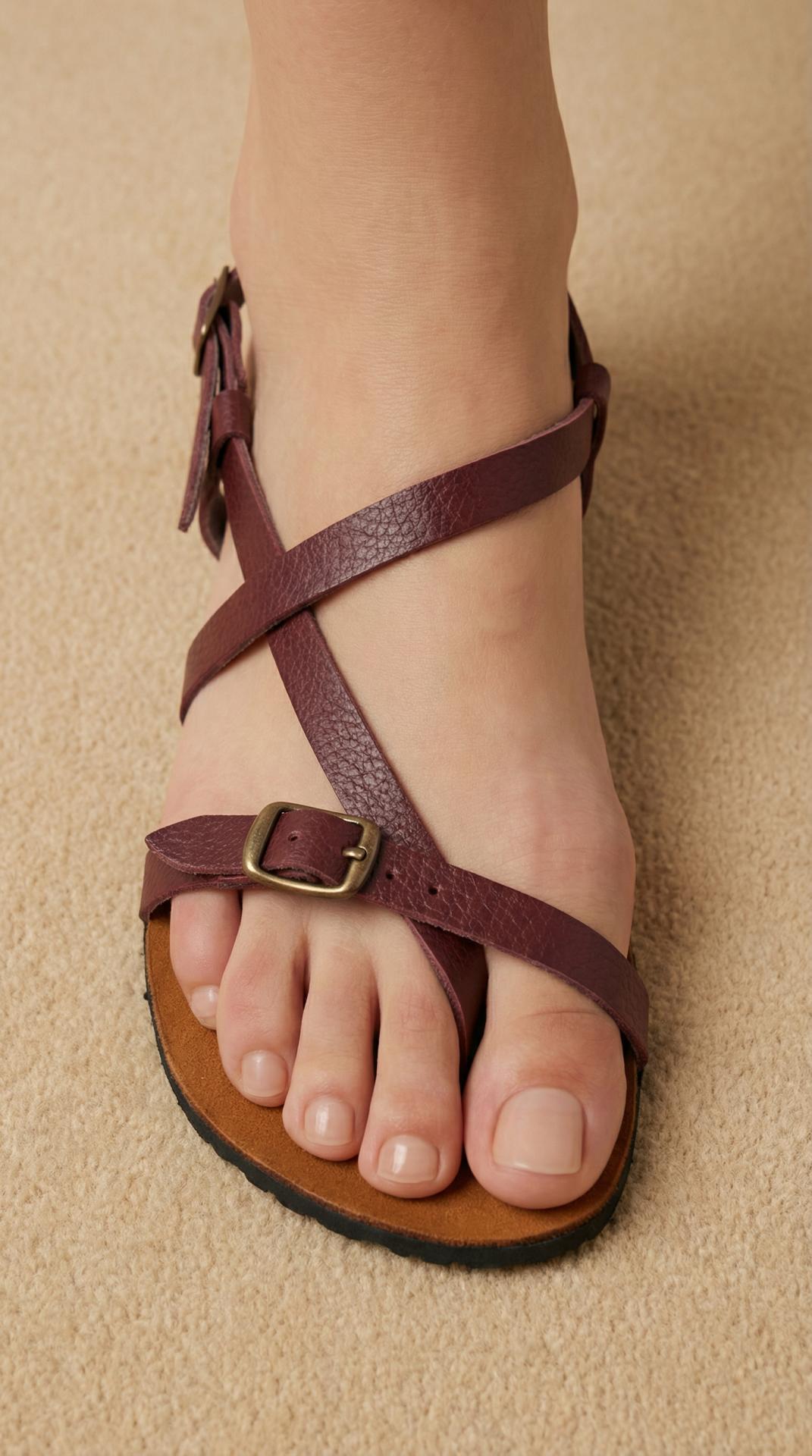
¿Y si el problema no fueran tus pies… sino tus zapatos?
La mayoría de nosotros hemos pasado años usando zapatos que aprietan, inmovilizan y limitan el movimiento natural del pie… sin siquiera darnos cuenta.
Punteras estrechas.
Suelas rígidas.
Demasiada amortiguación.
Muy poca libertad de movimiento.
Con el tiempo, el pie deja de hacer muchas de las funciones para las que fue diseñado naturalmente.
Y muchas veces normalizamos cosas como:
pies cansados,
rigidez al caminar,
sensación de inestabilidad,
o alivio inmediato al quitarnos los zapatos al final del día.
Pero quizás eso no sea tan “normal”.
El pie necesita espacio, flexibilidad y movimiento para funcionar correctamente.
Por eso cada vez más personas descubren el calzado barefoot: una forma más natural y libre de caminar, donde el pie vuelve a moverse como debe.
www.bioveganos.com
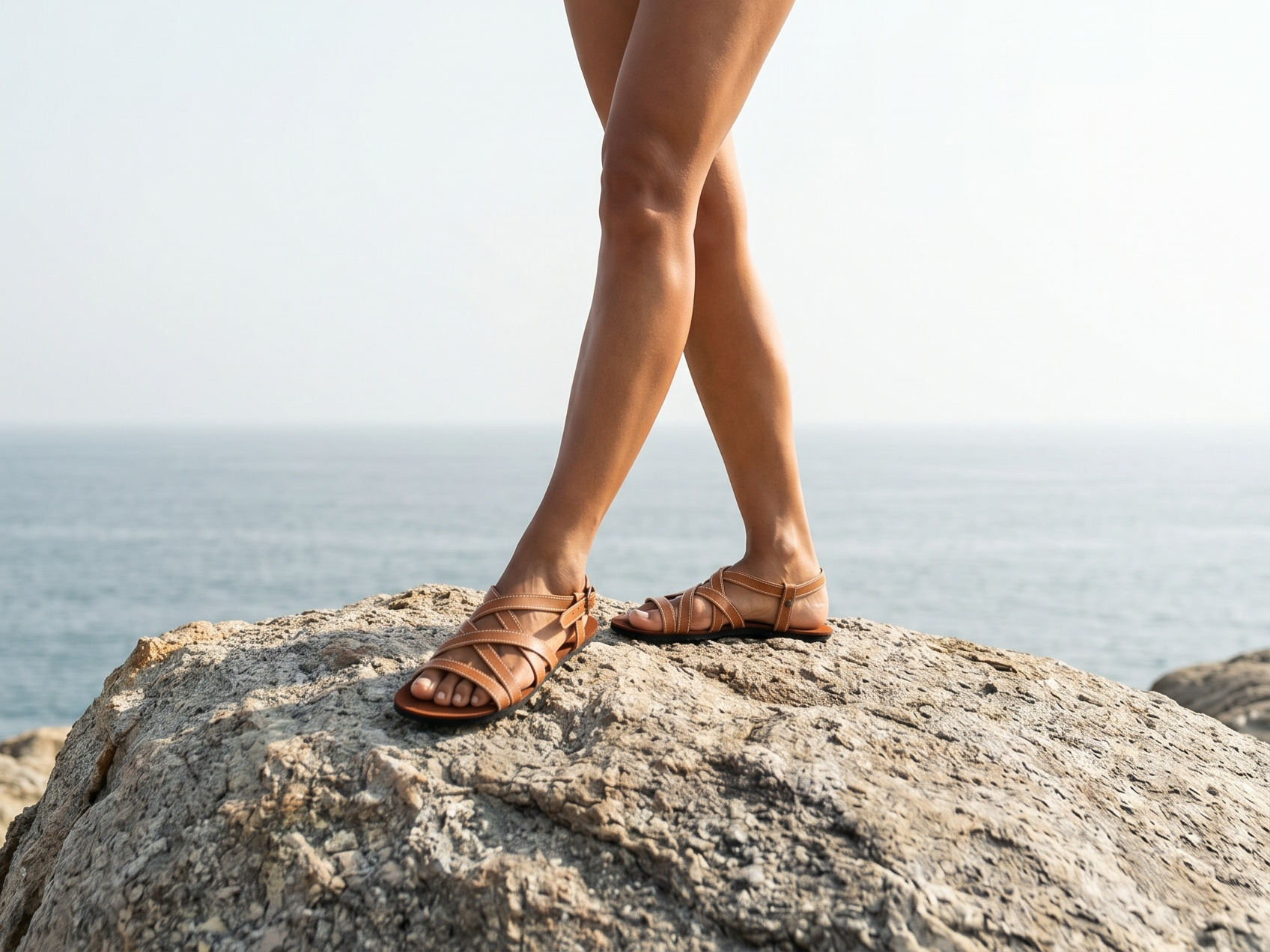
Why Are More and More People Wearing Barefoot Shoes? Country-by-Country Statistics Explaining Their Growth
Barefoot footwear is no longer an unknown trend. More and more people are looking for a more natural, comfortable, and healthier way to walk.
But… what does “barefoot” actually mean?
It refers to a type of footwear designed to respect the natural shape of the foot, allowing it to move freely without compression or rigid structures that limit its function.
Unlike traditional shoes, barefoot footwear usually features:
✔ flat soles (zero drop)
✔ wide toe box so the toes can spread naturally
✔ high flexibility
✔ lightweight design
✔ a more natural walking feel
Many people start wearing barefoot shoes because of issues such as:
• foot pain
• plantar fasciitis
• bunions
• back discomfort
• poor posture
• fatigue while walking
And they discover that changing their footwear can make a huge difference.
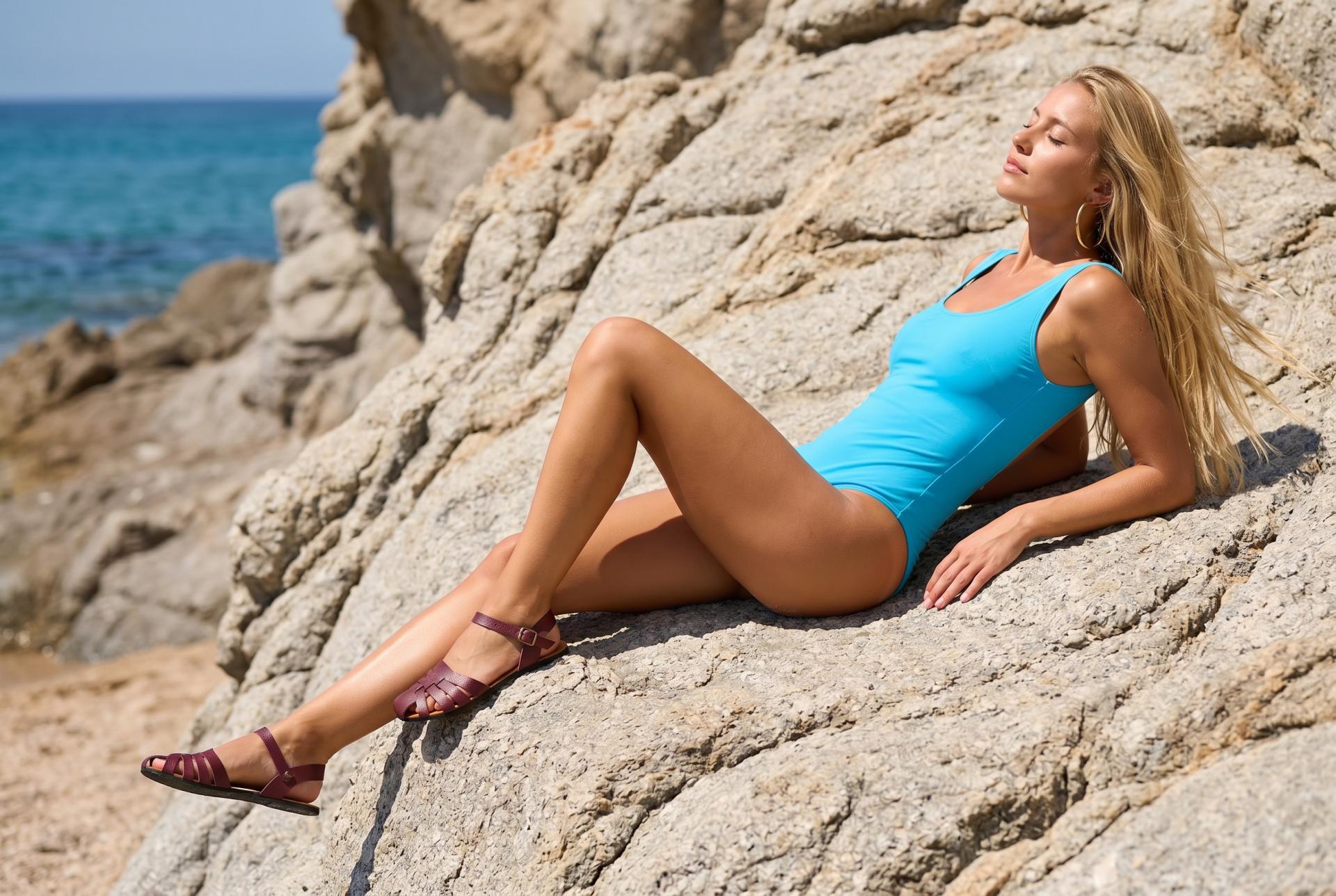
¿Por qué cada vez más personas usan calzado barefoot? Estadísticas por países que explican su crecimiento
El calzado barefoot ya no es una tendencia desconocida. Cada vez más personas buscan una forma más natural, cómoda y saludable de caminar.
Pero… ¿qué significa realmente “barefoot”?
Se trata de un tipo de calzado diseñado para respetar la forma natural del pie, permitiendo que se mueva libremente, sin compresiones ni estructuras rígidas que limiten su función.
A diferencia del calzado tradicional, los zapatos barefoot suelen tener:
✔ suela plana (sin drop)
✔ puntera ancha para que los dedos se expandan
✔ gran flexibilidad
✔ ligereza
✔ sensación de caminar más natural
Muchas personas comienzan a usar calzado barefoot por molestias como:
- dolor de pies
- fascitis plantar
- juanetes
- molestias de espalda
- mala postura
- cansancio al caminar
Y descubren que cambiar el tipo de zapato puede marcar una gran diferencia.
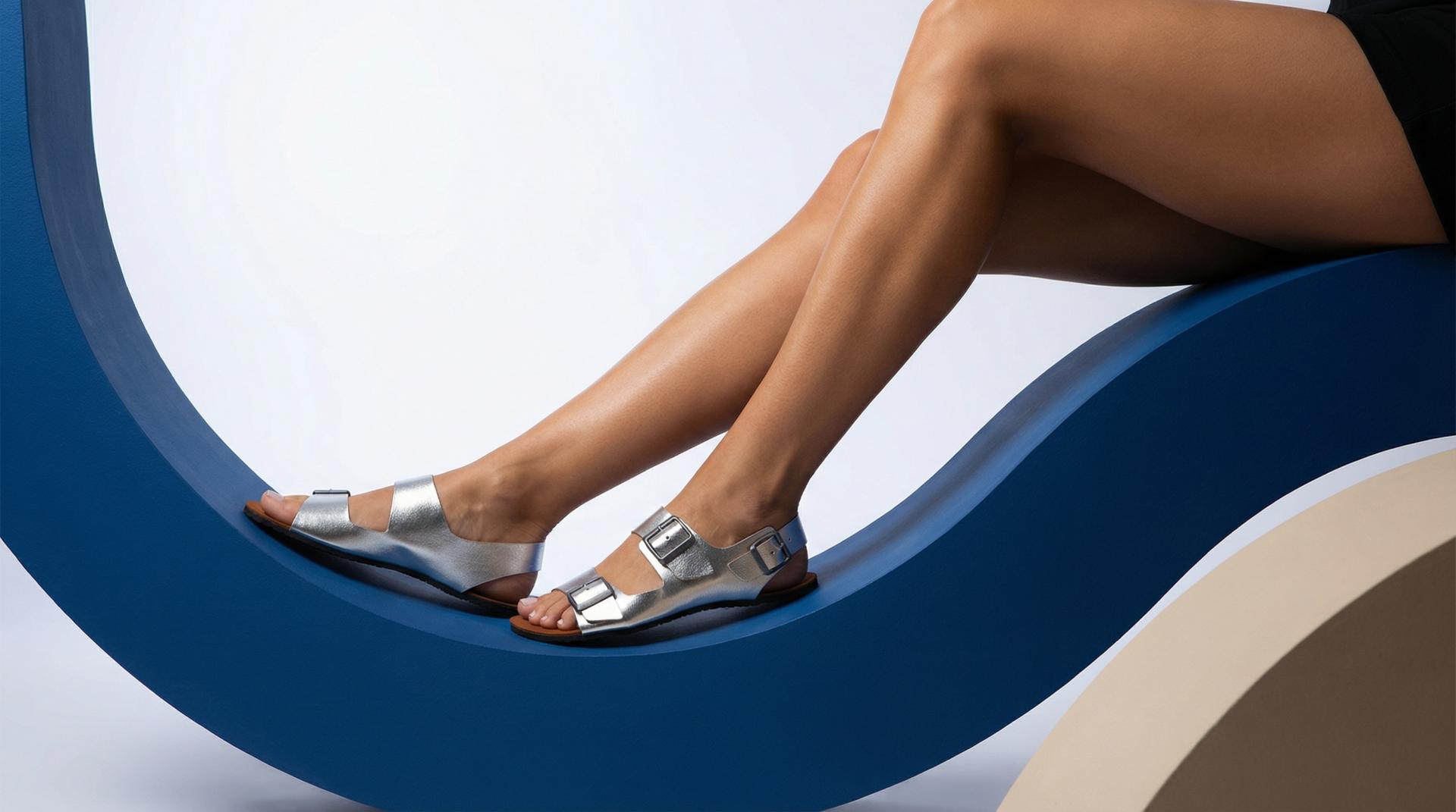
Calzado barefoot: ¿por qué tanta gente está cambiando la forma en que camina?
Algo está ocurriendo.
Poco a poco, en silencio…
cada vez más personas están cuestionando sus zapatos.
No por moda.
Sino por cómo se sienten.
Normalmente empieza con molestias
Pies cansados.
Dolor de espalda.
Problemas en los dedos.
Presión constante.
Y aparece la misma pregunta:
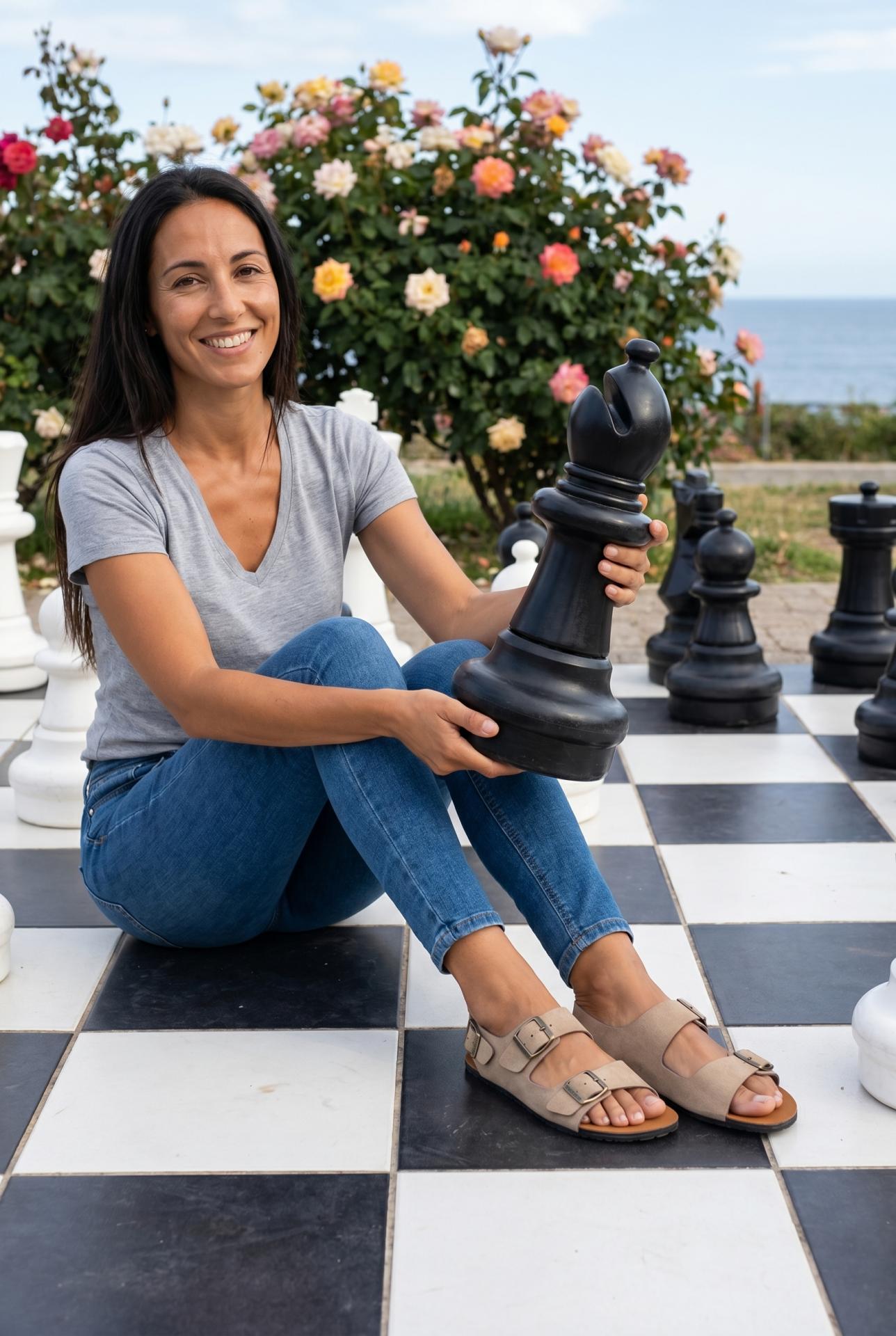
Barefoot shoes: why so many people are changing the way they walk
Something is happening.
Slowly, quietly…
more and more people are questioning their shoes.
Not because of fashion.
But because of how they feel.
It usually starts with discomfort
Tired feet.
Back pain.
Toe problems.
Constant pressure.
And the same question appears:
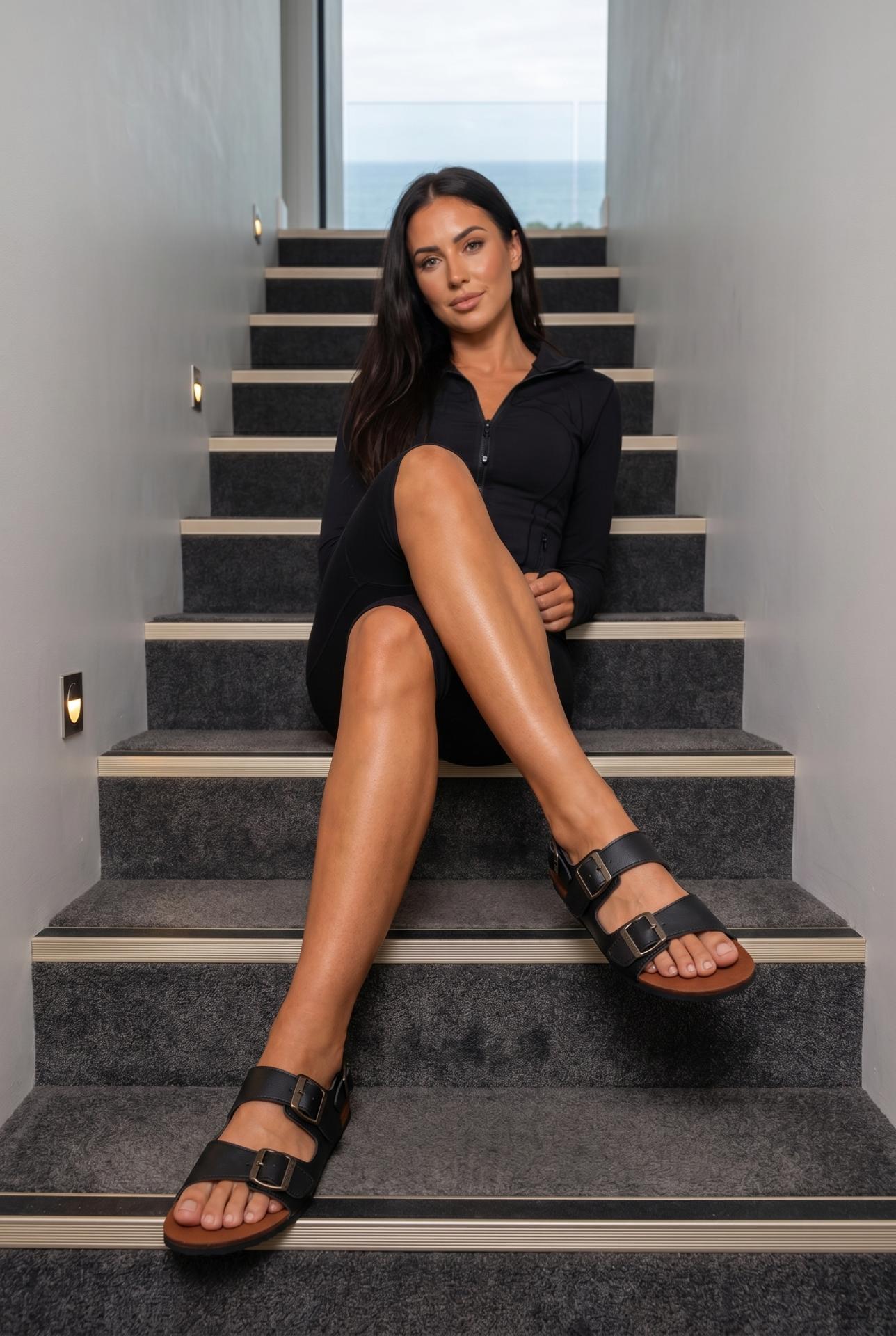
Do you really need support in your shoes?
For years, we’ve been told the same thing:
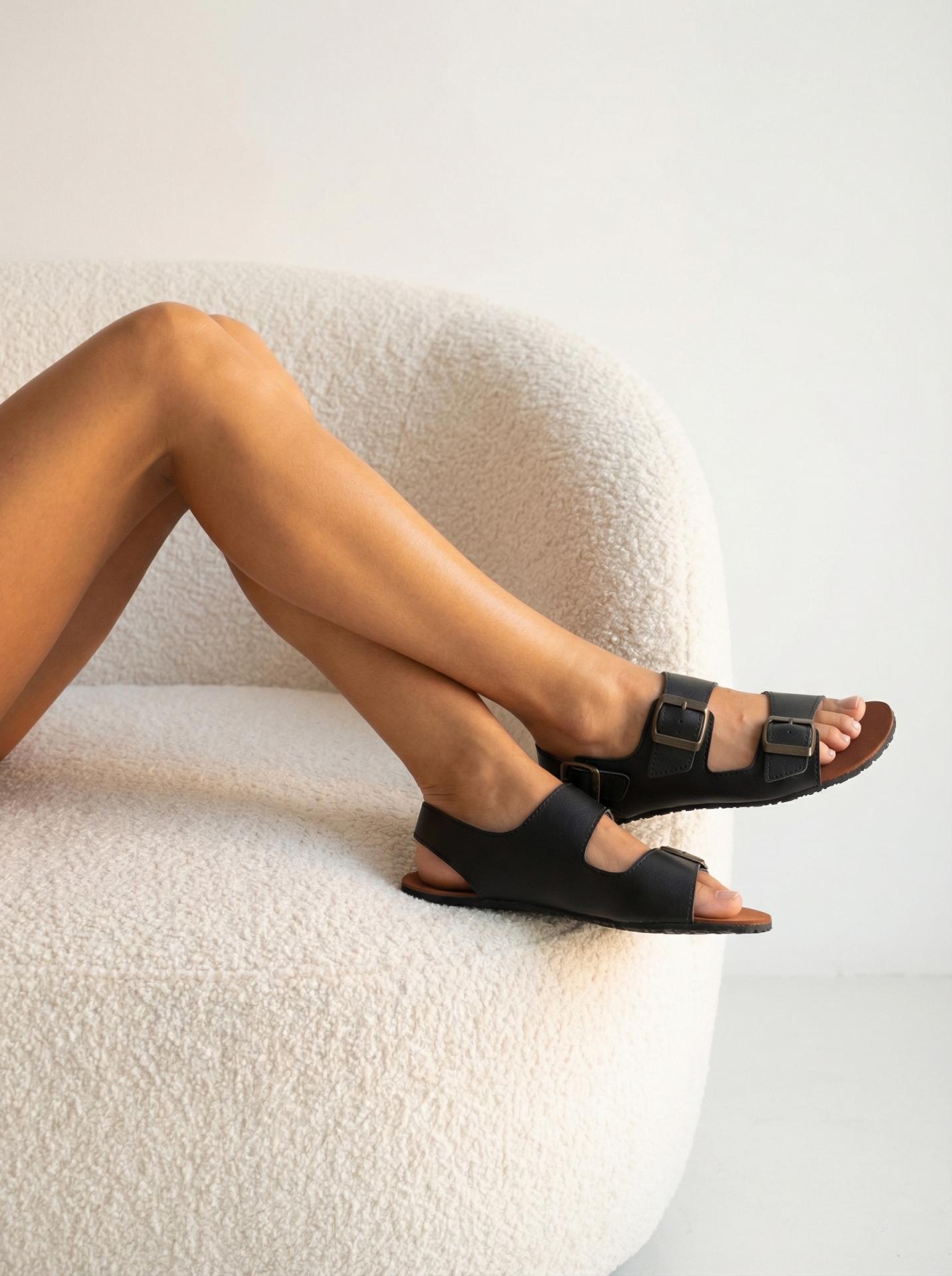
¿Realmente necesitas soporte en los zapatos?
Durante años nos han dicho lo mismo:
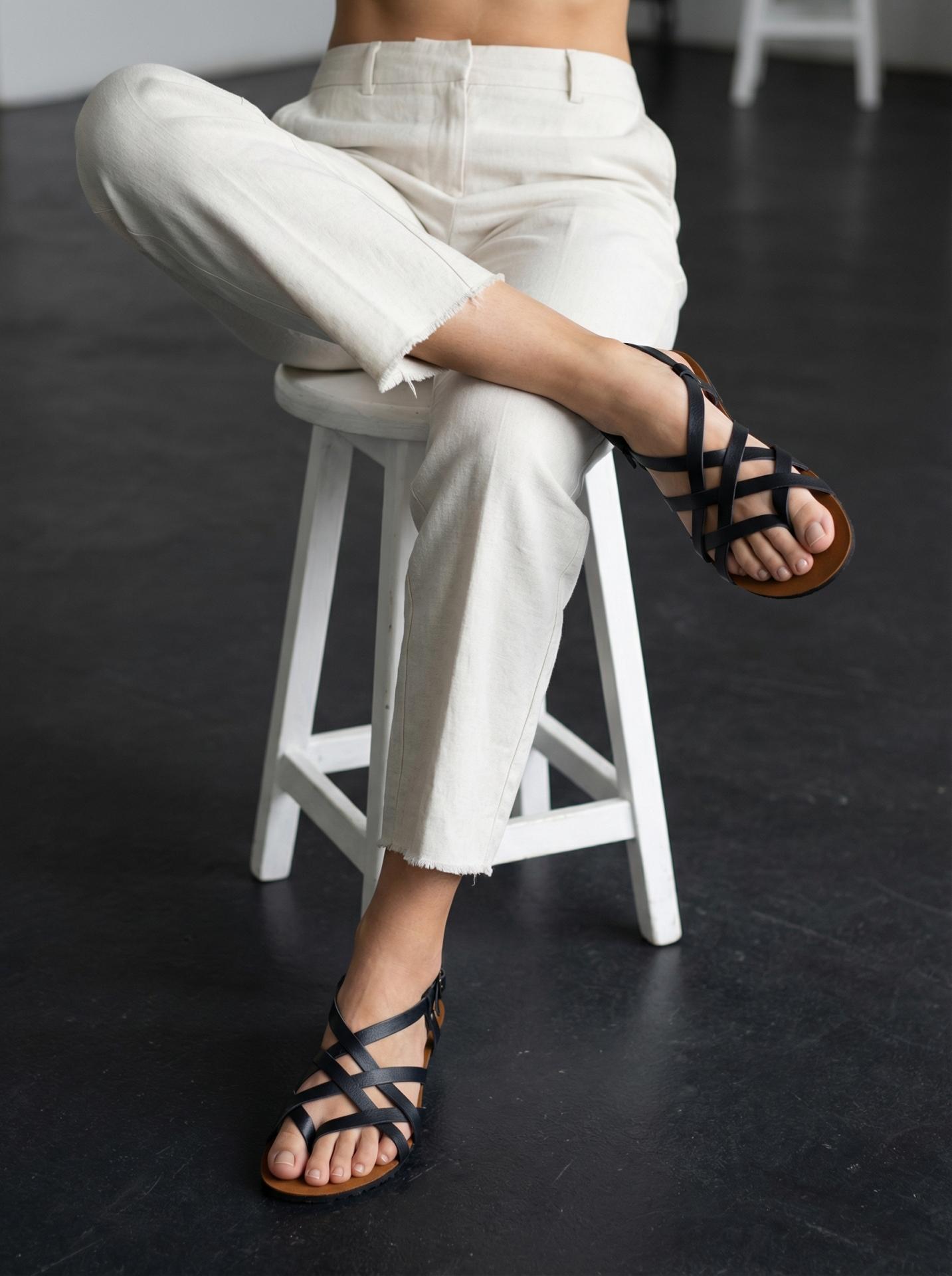
¿Por qué el barefoot se siente raro al principio?
Muchas personas prueban barefoot por primera vez…
y dicen lo mismo:
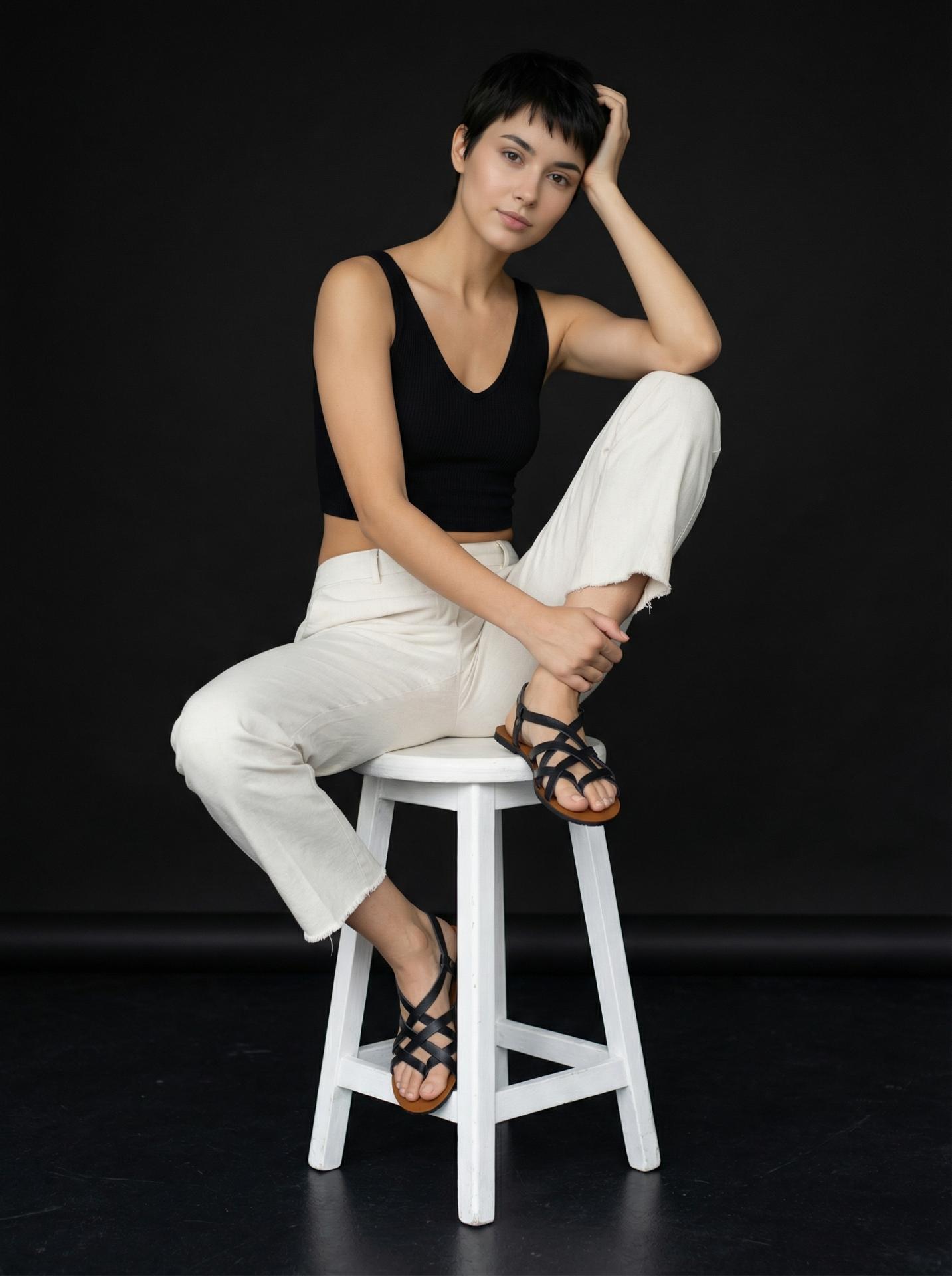
Why do barefoot shoes feel strange at first?
Many people try barefoot shoes for the first time…
and say the same thing:
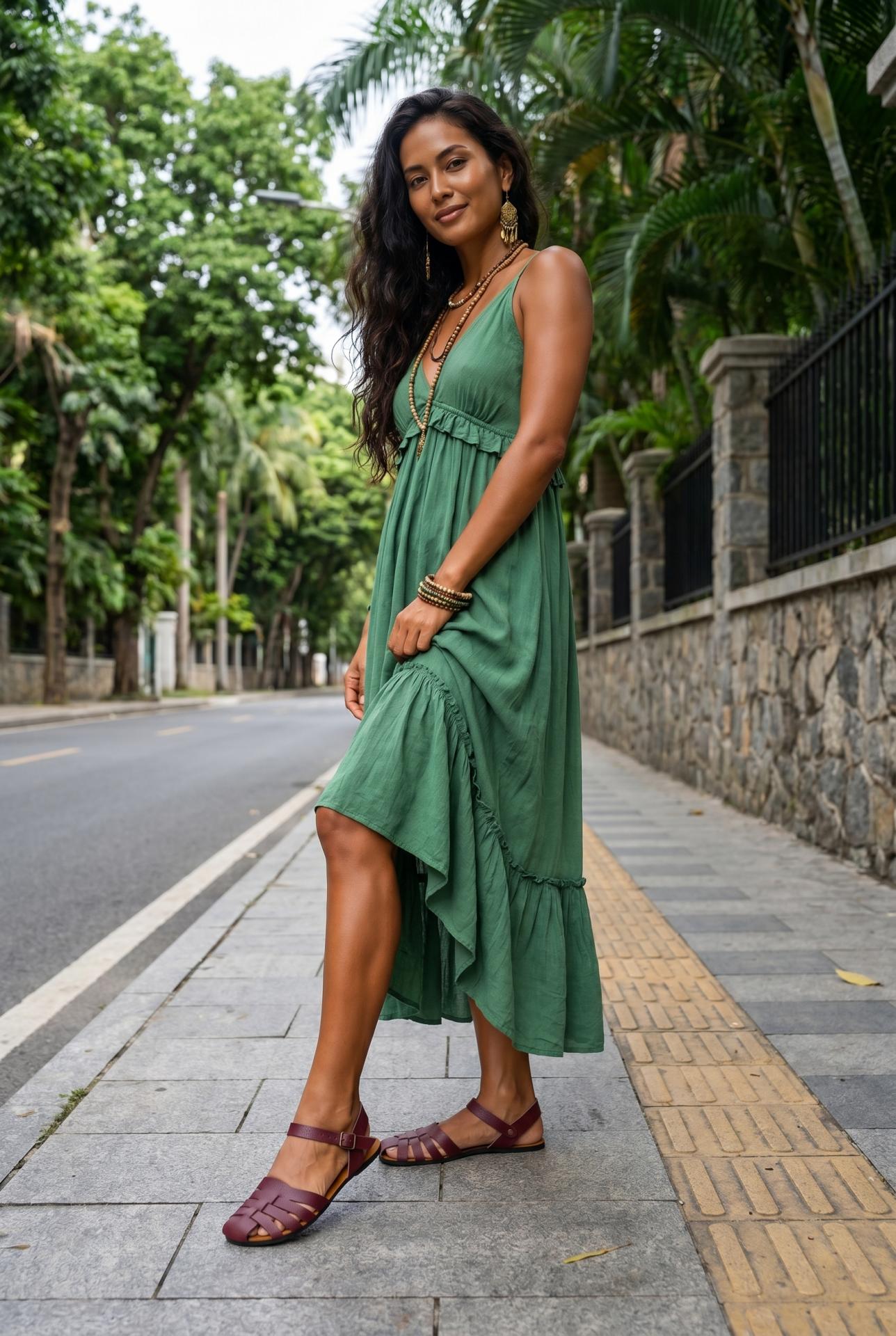
Una clientas feliz.
Hola, equipo de Bioworld:
Quería escribiros porque hace unos días me ocurrió algo bastante curioso, y sinceramente pensé que os haría ilusión saberlo, porque todo empezó precisamente gracias a unas sandalias vuestras.
La semana pasada salí a pasear por el centro de Madrid. Había terminado una semana de trabajo bastante intensa y necesitaba despejarme un poco, caminar sin prisa, perderme entre calles bonitas y simplemente disfrutar del ambiente de la ciudad. Como hacía bastante calor, me puse mis sandalias barefoot de Bioworld, unas que compré hace unos meses en una tienda de Madrid y que se han convertido, sin exagerar, en mis favoritas.
Son de esas sandalias que no solo son bonitas, sino que además resultan increíblemente cómodas. De verdad, desde que las tengo, me cuesta ponerme cualquier otro calzado. La sensación de libertad al caminar, la ligereza, lo naturales que se sienten… y además el diseño, porque no parecen las típicas sandalias cómodas que sacrifican toda la estética.
Pues bien, iba paseando tranquilamente por la zona de Jorge Juan cuando una mujer se acercó a mí con una sonrisa y me dijo:
—Perdona, sé que esto suena un poco raro, pero… ¿dónde has conseguido esas sandalias tan chulas?
Me hizo bastante gracia la naturalidad con la que me lo preguntó, así que miré hacia abajo y le contesté:...
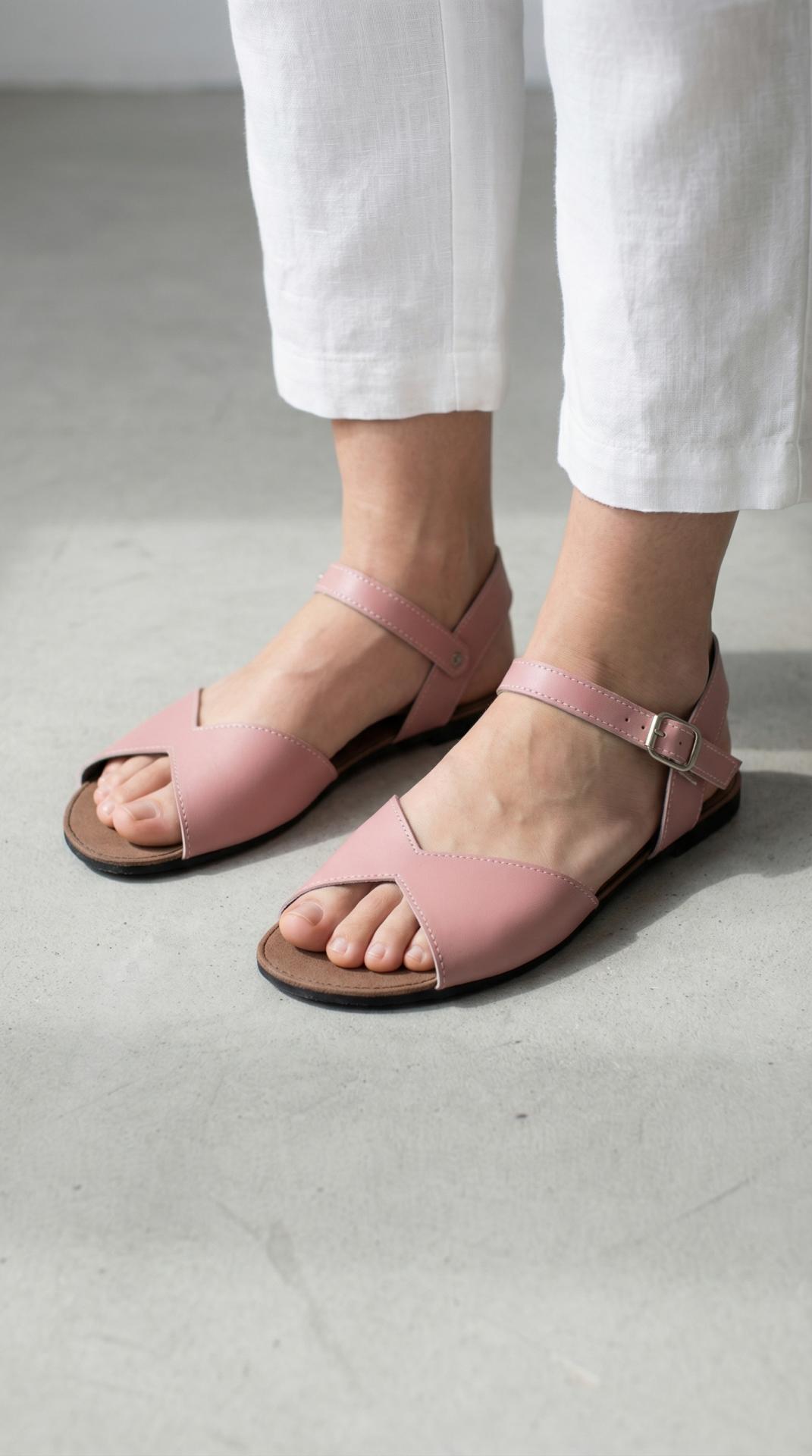
A Day in My Life with Bioworld Barefoot Sandals
Today I woke up early, one of those mornings when you feel like everything is going to go well from the very first coffee. I got ready calmly, chose a comfortable but elegant outfit for the office, and without even thinking about it, I slipped on my Bioworld barefoot sandals.
Since I discovered them, they have become my essentials. They are light, comfortable, and give me that feeling of freedom when I walk that I would never trade for anything. They don’t squeeze, they don’t make my feet tired, and on top of that, they match everything.
I left home and walked to the office, enjoying the fresh morning air. After several hours of meetings, calls, and computer work, I was grateful not to feel that usual heaviness in my feet that I used to have with other shoes.
At lunchtime, I had plans to meet Laura for lunch. We went to our favorite terrace, talked for hours, and ended up laughing like always—the kind of conversation that feels like free therapy. She was actually the first one to ask me about my sandals.
“Barefoot again?” she smiled.
“Yes, and I’m more convinced every time,” I replied....
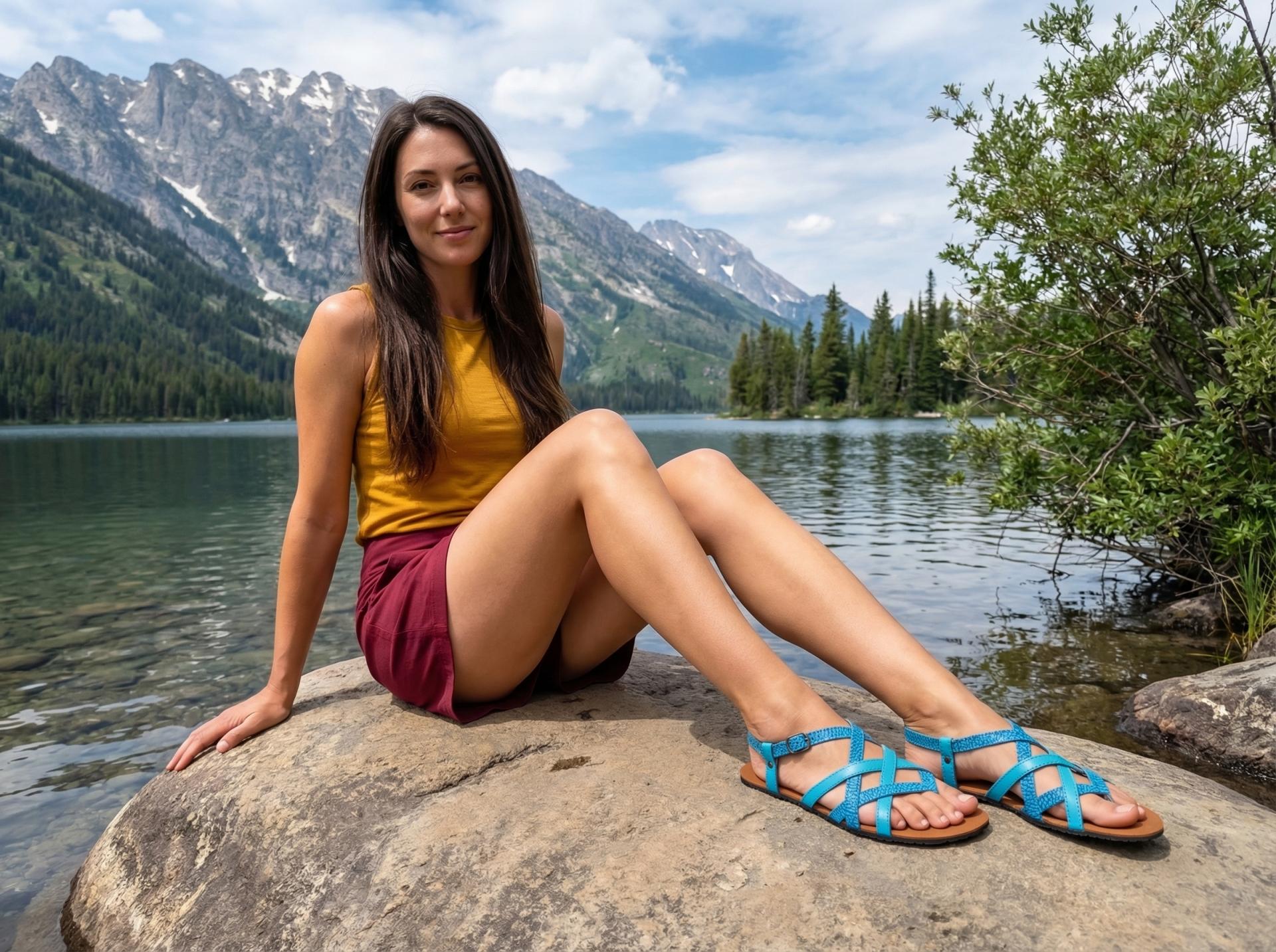
Are barefoot shoes good for walking all day?
It’s one of the most common questions.
And also one of the most important.
Because trying barefoot shoes for a short walk…
is very different from wearing them all day.
Work.
City life.
Travel.
Real daily routine.
So the question is:
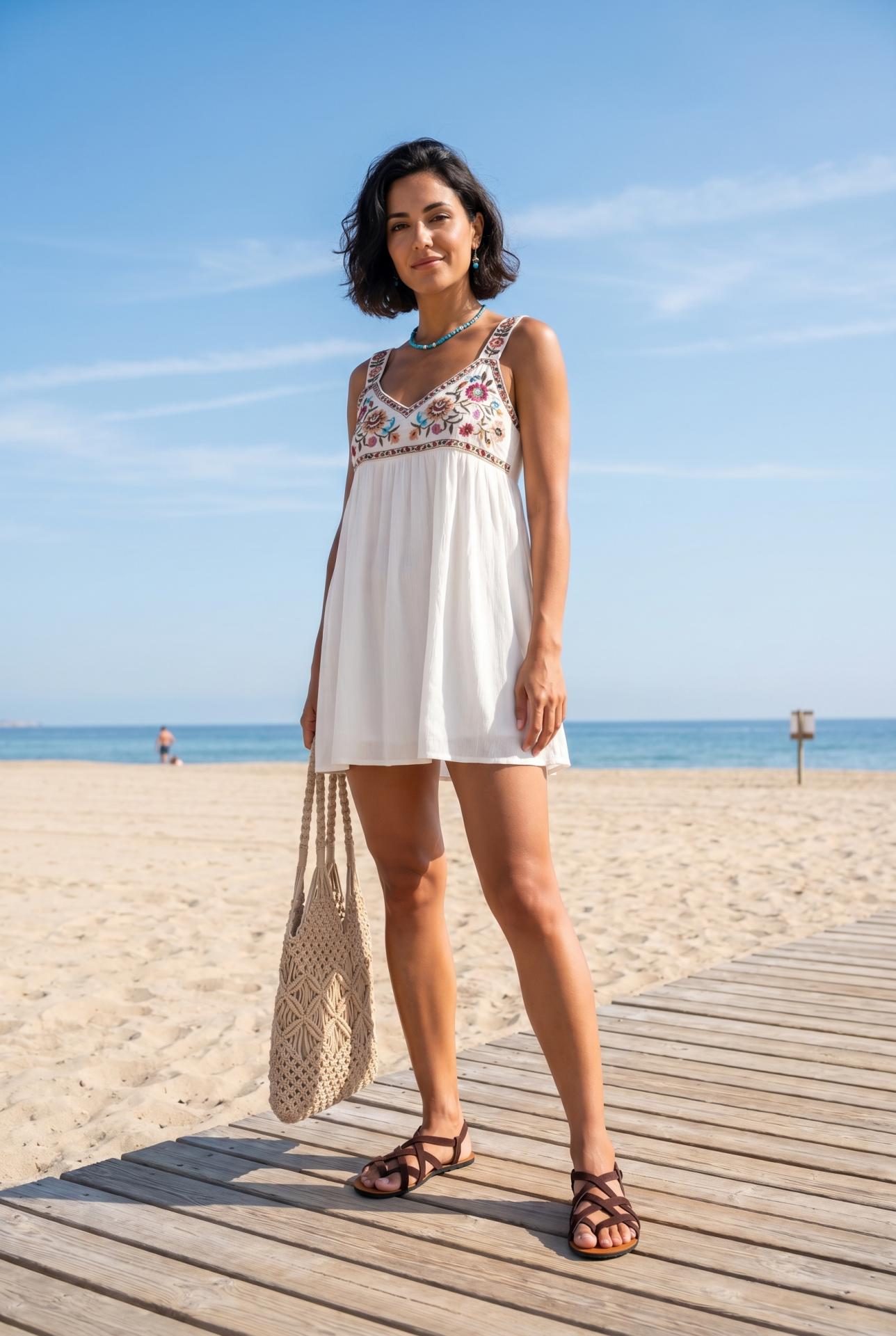
¿Son buenos los barefoot para caminar todo el día?
Es una de las preguntas más comunes.
Y también una de las más importantes.
Porque una cosa es probar barefoot un rato…
y otra muy distinta es usarlos durante todo el día.
Trabajo.
Ciudad.
Viajes.
Rutina real.
Entonces la pregunta es:
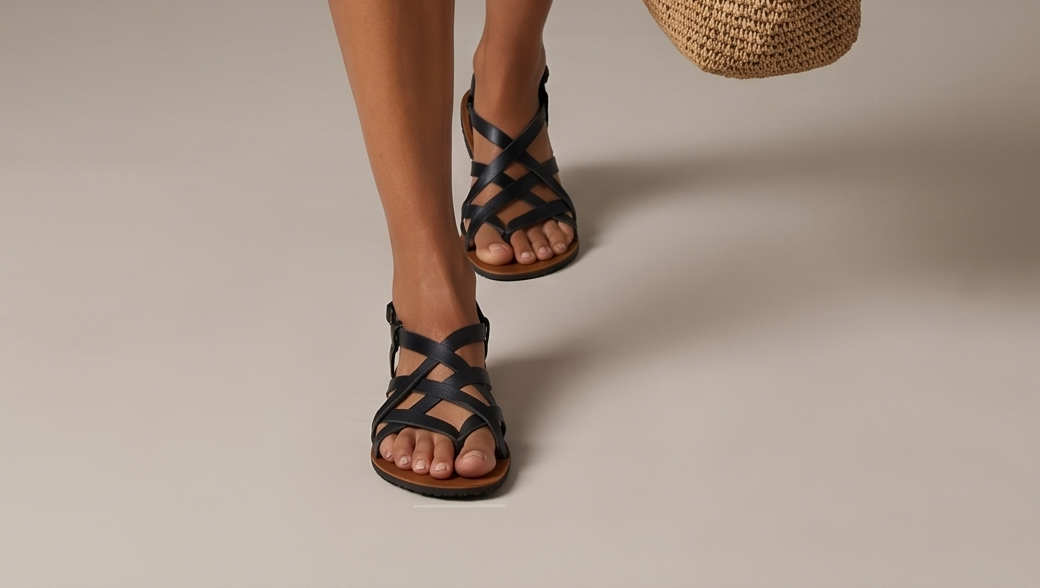
Calzado minimalista vs barefoot: ¿cuál es la verdadera diferencia?
Mucha gente piensa que el calzado minimalista y el calzado barefoot son lo mismo.
No lo son.
Y entender la diferencia puede cambiar completamente la forma en la que se mueve tu cuerpo.
Por qué la gente los confunde
Ambos parecen más simples que el calzado tradicional.
Menos amortiguación.
Menos estructura.
Más flexibilidad.
Y entonces la gente piensa:
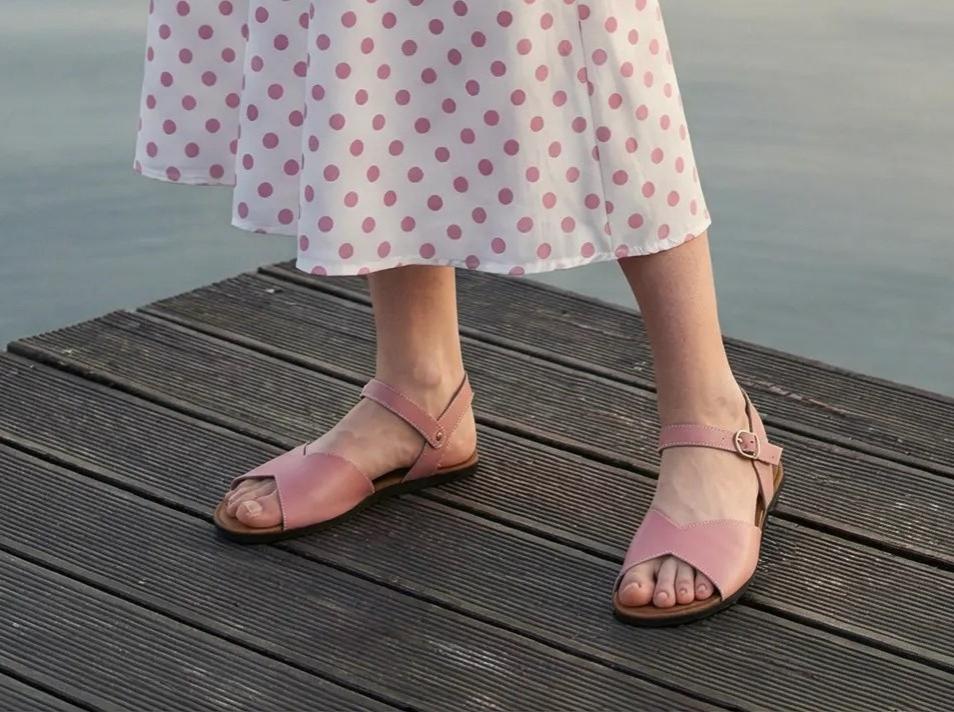
Minimalist shoes vs barefoot shoes: what’s the real difference?
Many people think minimalist shoes and barefoot shoes are the same thing.
They are not.
And understanding the difference can completely change how your body moves.
Why people confuse them
Both look simpler than traditional shoes.
Less cushioning.
Less structure.
More flexibility.
So people assume: